Competition Overview
The National Technical and Vocational College Student Practical Project Competition and Exhibition is a nationwide practical project competition organized by the Ministry of Education. It has long been highly regarded within Taiwan’s technical and vocational education system, and faculty members at our university often refer to it as the “highest-level competition in technical and vocational education.” The competition focuses on how students apply what they have learned to real-world problems and demonstrate technical integration, practical applications, and complete project outcomes through project development.
In 2025, 1,181 projects from 48 schools participated. After the preliminary written review, 141 projects from 33 schools advanced to the final round. The finals were held at Taipei World Trade Center Exhibition Hall 1, where participating teams publicly showcased their projects at physical booths and underwent on-site questioning and evaluation by judges.
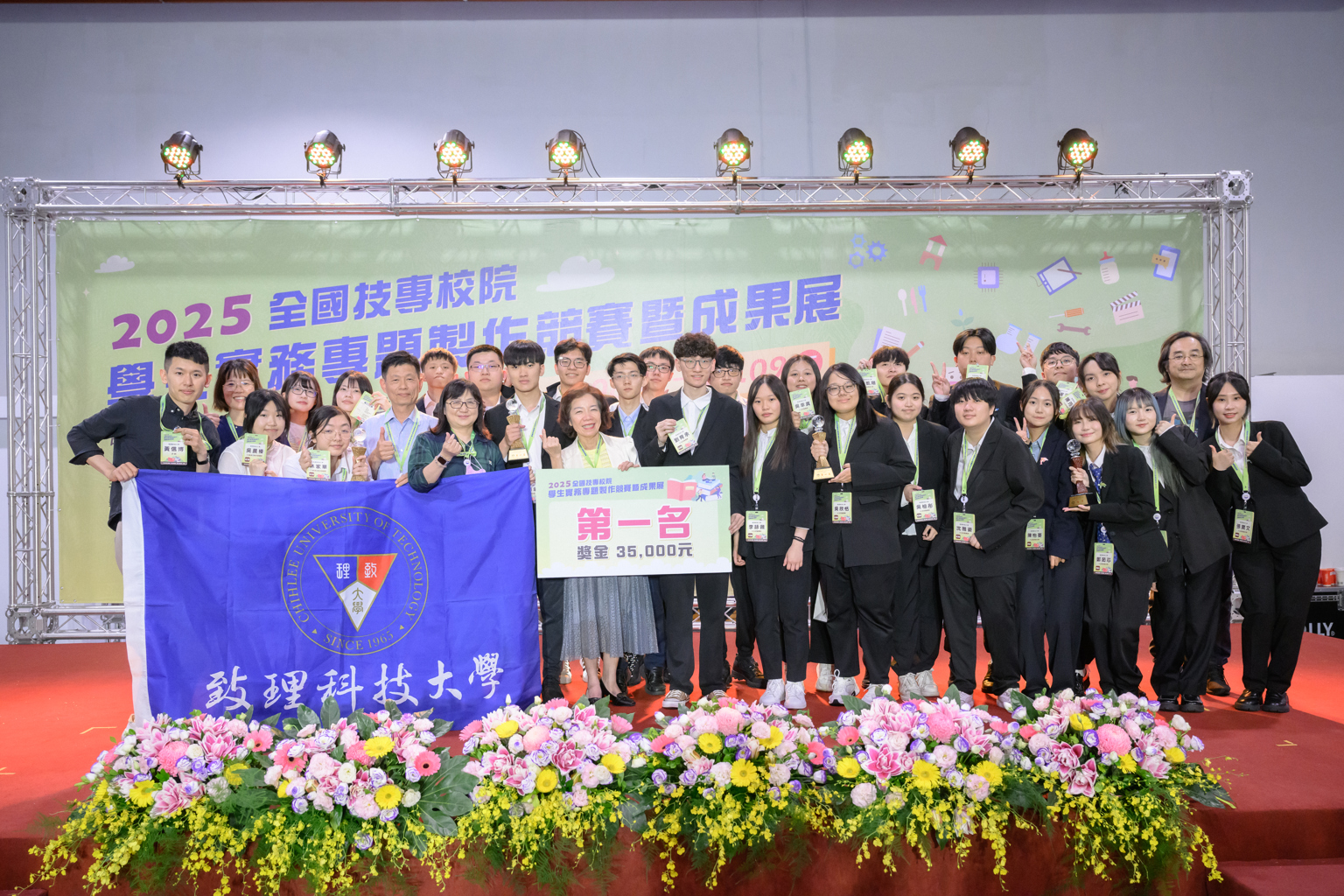
We entered the AI Tea Farm Monitoring App in the Biotechnology, Medicine, and Agriculture category and ultimately won First Place.
Related News Coverage

Finding Problems in the Tea Farms
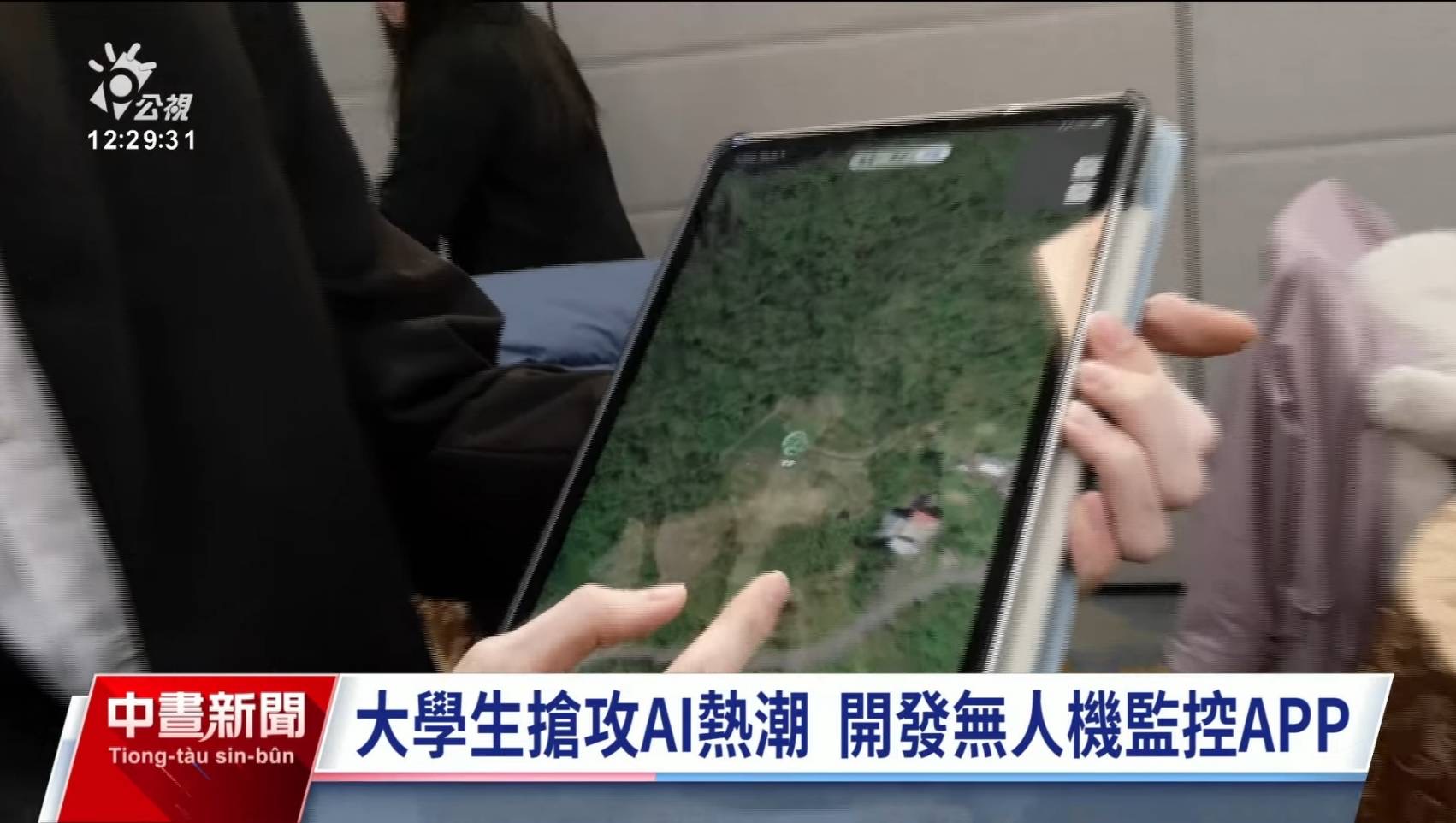
This project began with the actual needs of tea farms. We visited Shiding District, New Taipei City multiple times to conduct field research, visiting four tea farms, speaking with local tea farmers, and observing how the farms were managed to understand which problems technology could genuinely help solve.
Through interviews and field observations, we found that tea farmers currently rely mainly on manual inspections, but large growing areas and hillside terrain require considerable manpower and make it difficult to continuously monitor the growth conditions of every area. Some tea farms in Shiding are located near the Feitsui Reservoir water source area or above residential areas. When tea plants are growing poorly, entering a renewal period, or facing typhoons and heavy rainfall, these areas are also more vulnerable to soil erosion and soil and water conservation issues.
Disease was another management issue specifically mentioned by tea farmers. After some tea leaves become affected by disease, the disease may spread to nearby areas through rainwater or irrigation water. Without timely detection and treatment, it may further spread across a larger area of the tea farm.
The interviews also directly influenced our subsequent product design. Tea farmers indicated that because tea plants have a relatively long growth cycle, monitoring once or twice per month better matches their actual needs. Most of the interviewed farmers were also more familiar with using smartphones than computers, so we designed the system primarily as a mobile App, allowing farmers to more conveniently view tea farm conditions and analysis results.
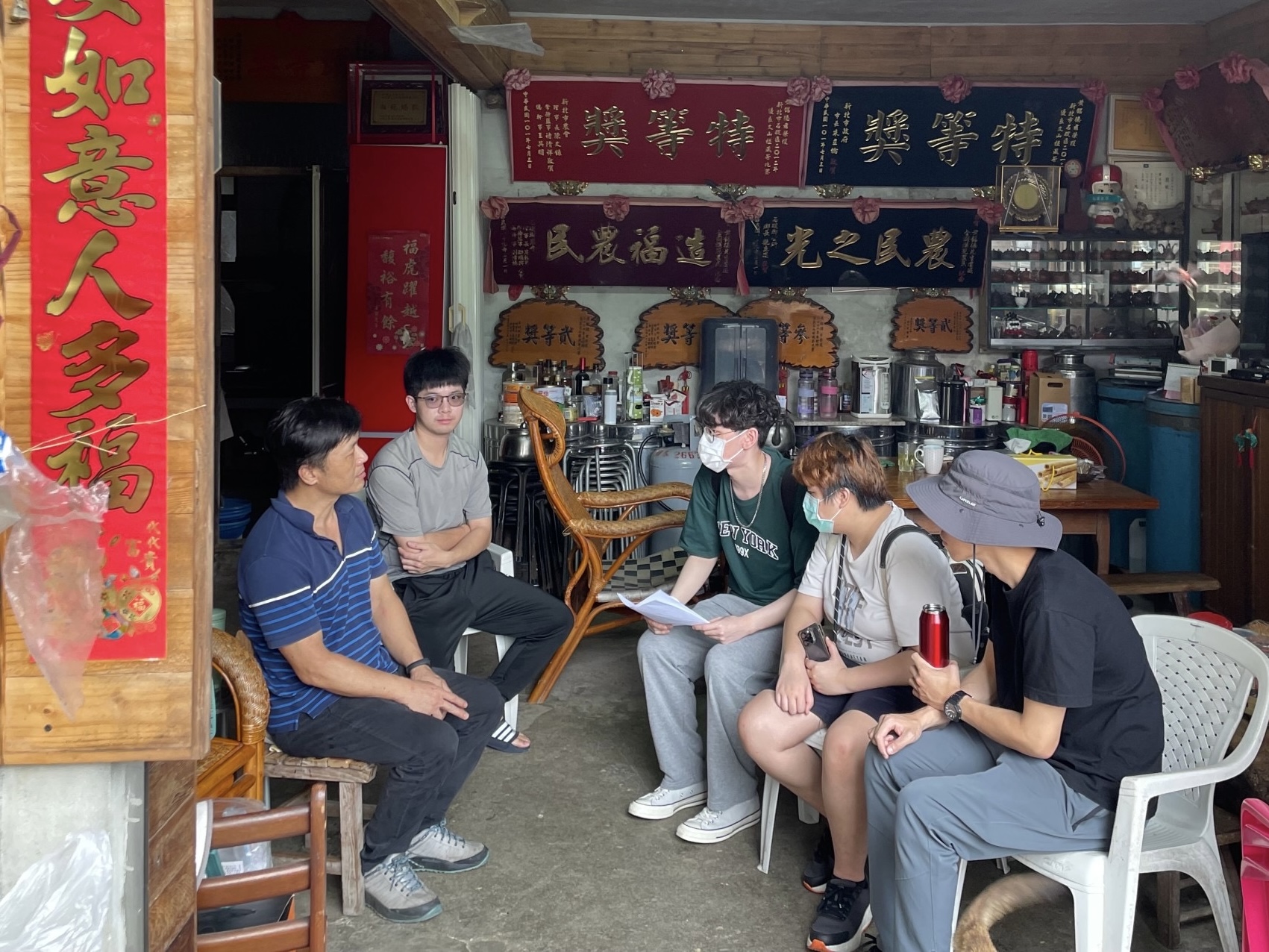
Image unavailable
From Needs to a Complete Project
This project participated in the Ministry of Education’s Humanities and Social Sustainability Action Innovation Application Competition during its early stage. Through continued development and practical validation afterward, we gradually developed the original concept into a more complete tea farm monitoring system.
The system regularly captures tea farm images using drones and uses image analysis and artificial intelligence models to help evaluate tea plant growth conditions across different areas, allowing tea farmers to monitor changes across large tea farms more efficiently. We also added tea leaf disease detection, allowing users to take or select photos of tea leaves with their phones, identify possible disease types, and save analysis records.
To further help tea farmers track diseases, we use a disease map and disease heatmap to show where diseases occur and how they are distributed. The system also integrates the OpenAI GPT API to convert more specialized information into easy-to-understand explanations and tea farm management recommendations based on disease detection results and current weather data.
These features were ultimately integrated into the mobile App, allowing tea farmers to view tea farm growth records, perform tea leaf disease detection, track disease distribution, and access relevant management information within the same system, gradually turning the original concept based on real tea farm needs into a complete practical project.
View the Tea Farm Monitoring App Project
My Role and Competition Presentation
In this project, I was mainly responsible for the App interface and primary application development, backend development, and AI application integration. While preparing for the National Practical Project Competition, I was also responsible for designing and producing the competition poster, as well as the on-site showcase and presentation content.
The final round was conducted through physical booth exhibitions, with three judges visiting each team’s booth in sequence for on-site evaluation. I was responsible for presenting the entire project, explaining everything from tea farmer needs and system design to the final results, while also operating the App on-site for a Demo so the judges could directly understand its main features and actual usage flow.
After the presentation and demonstration, the three judges conducted a Q&A and evaluated the project based on its technical applications, practical needs, and outcomes. This experience required me to handle the project showcase, product Demo, and real-time questions at the same time, while quickly organizing the most important points within the limited evaluation time and clearly responding to the different issues each judge focused on. During the evaluation, all three judges gave positive feedback on both the project and the on-site presentation. They also asked further questions about the system’s future commercialization, its actual implementation in tea farms, and its potential for long-term use by tea farmers, showing strong interest in the project’s future development and practical application potential.
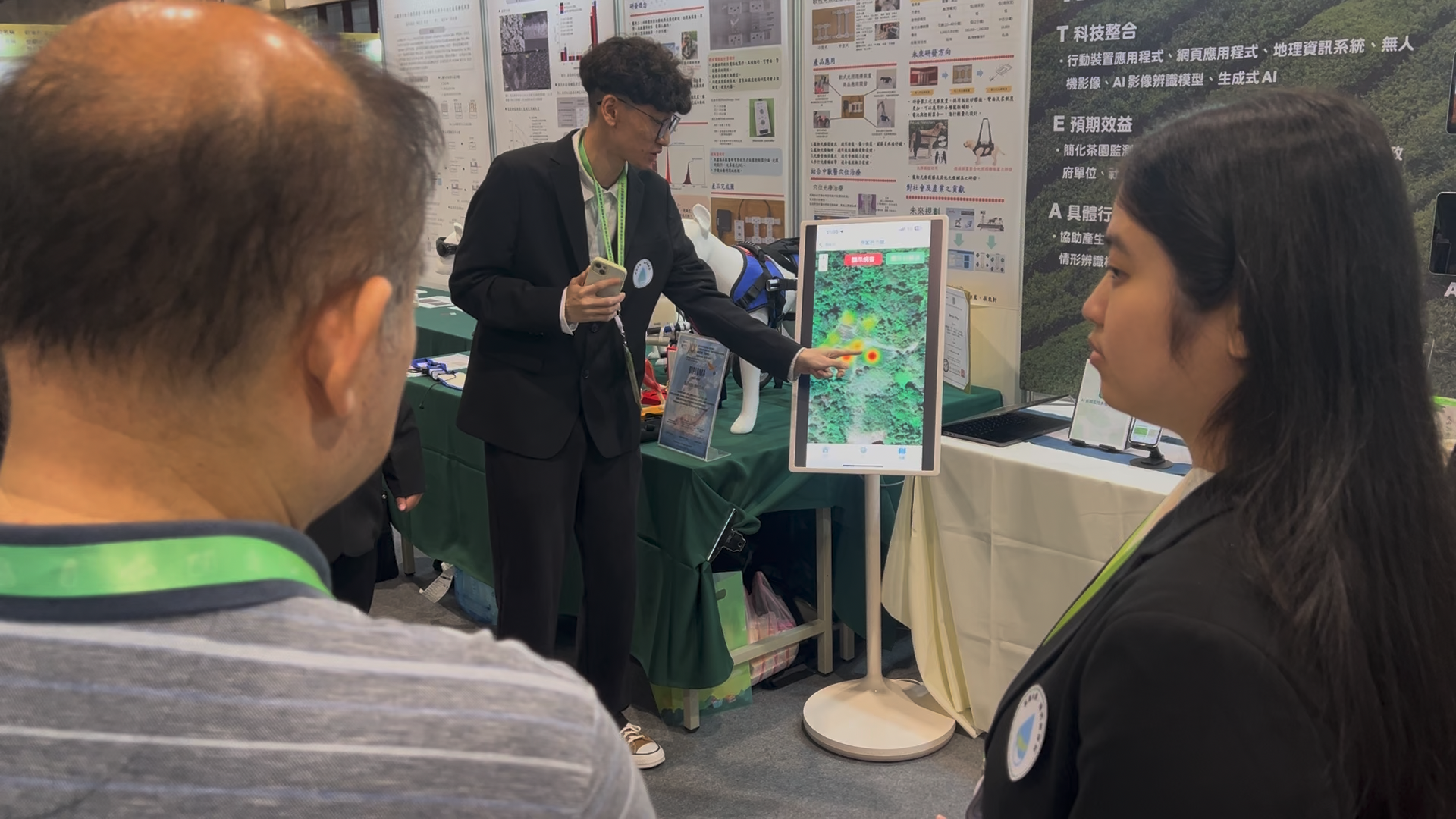
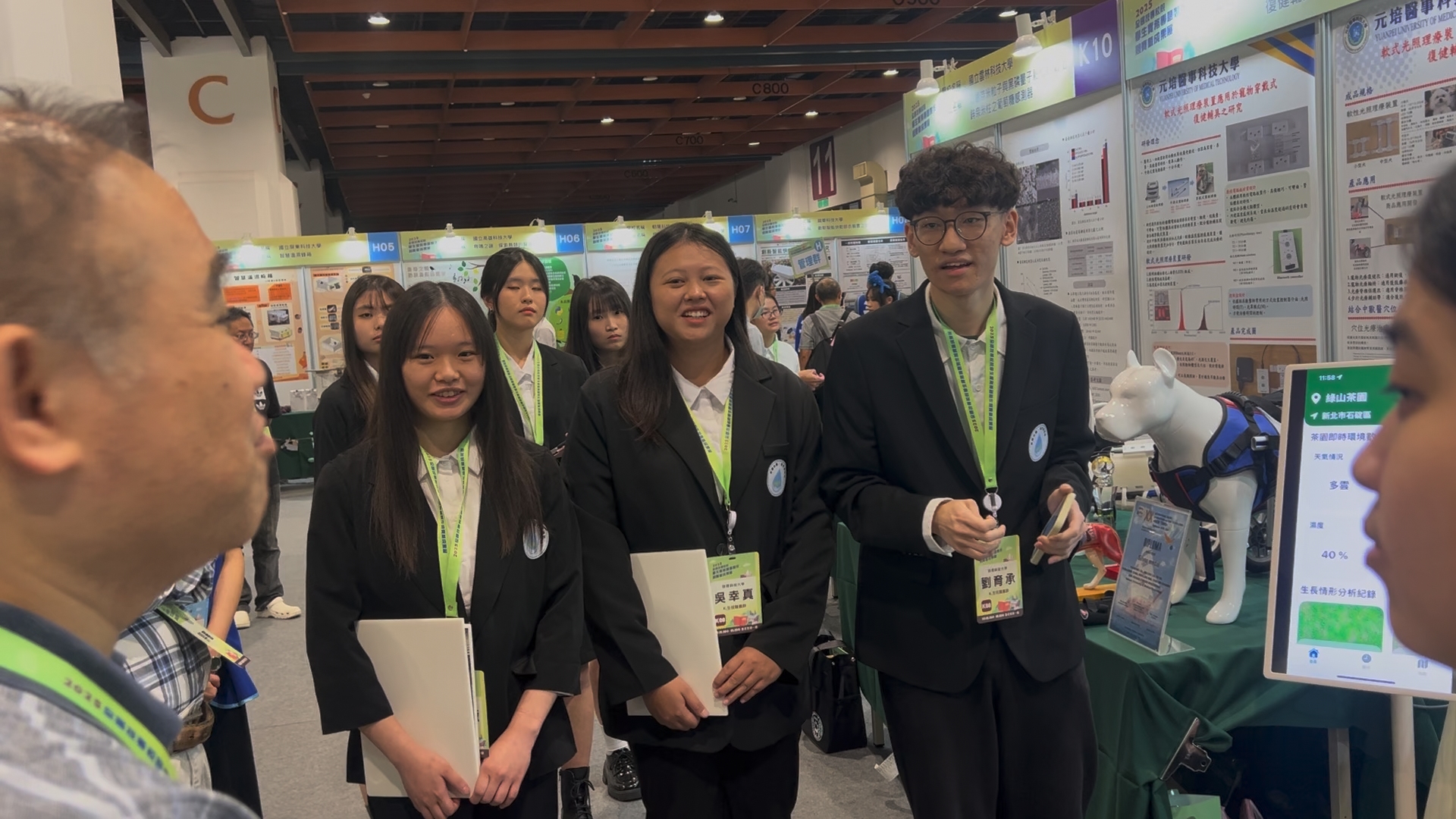
On-Site Booth Design
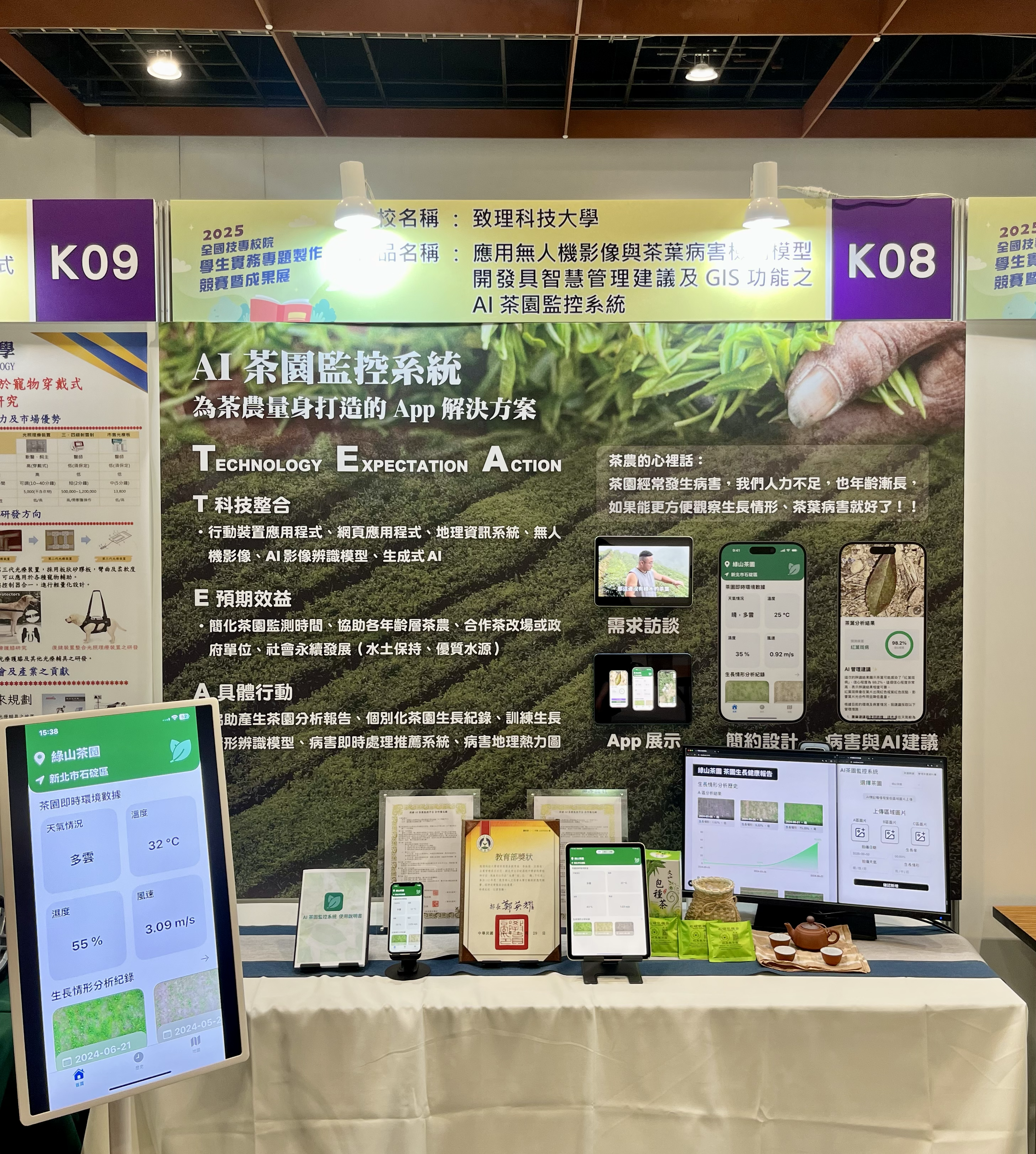
Compared with Other Teams, the Poster I Designed Was More Visually Distinctive
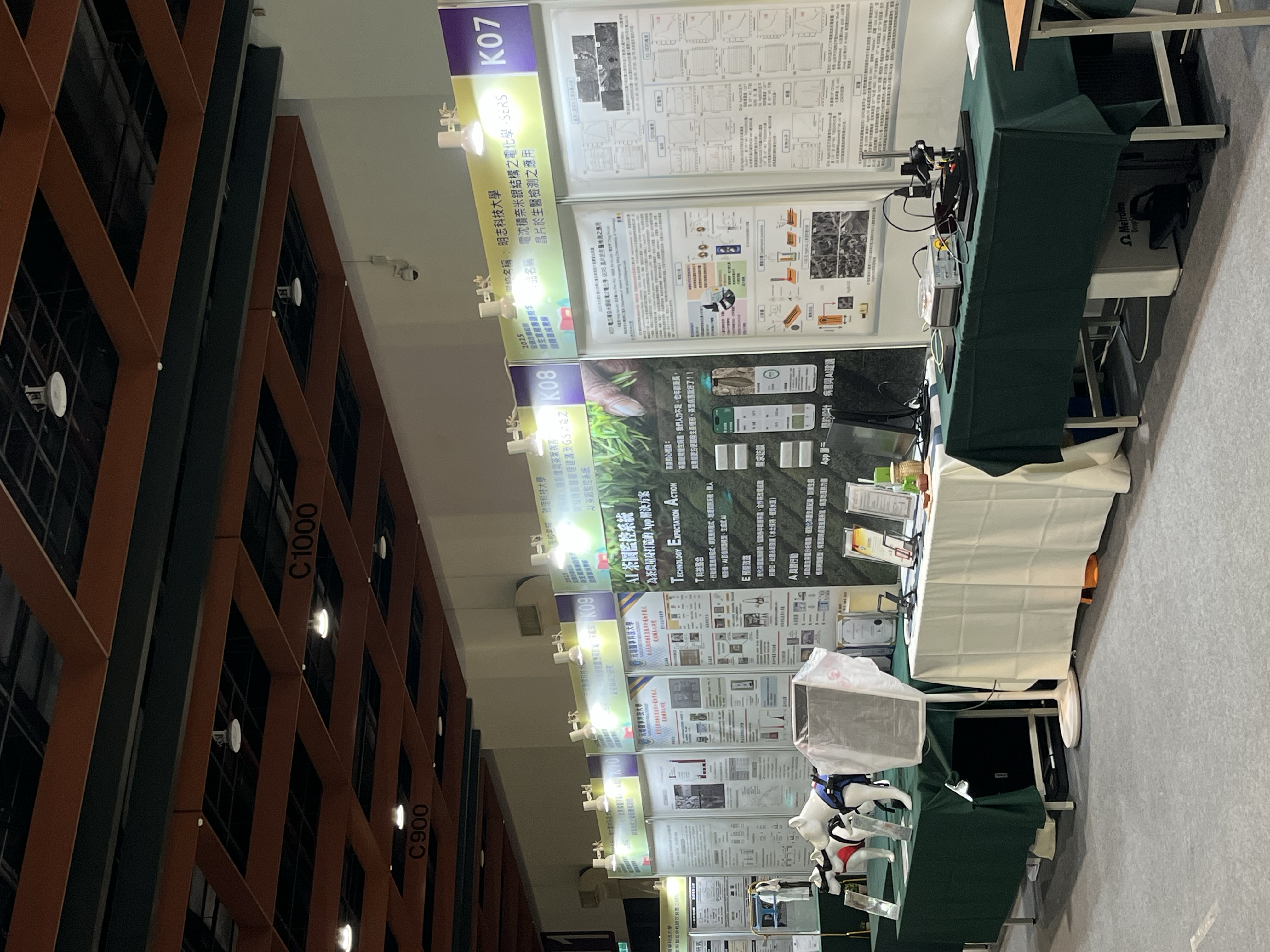
Competition Results
In 2025, 1,181 projects participated in the National Technical and Vocational College Student Practical Project Competition and Exhibition, and only 141 advanced to the final round after the preliminary written review. We ultimately won First Place in the Biotechnology, Medicine, and Agriculture category.
This competition was also a complete showcase of the project after a long period of development. From visiting tea farms in person and confirming user needs, to continuously developing the App and integrating different technologies, and finally organizing the accumulated results into an on-site showcase, Demo, and presentation, I was fully involved throughout the process from problem exploration and product development to evaluation at the national competition.