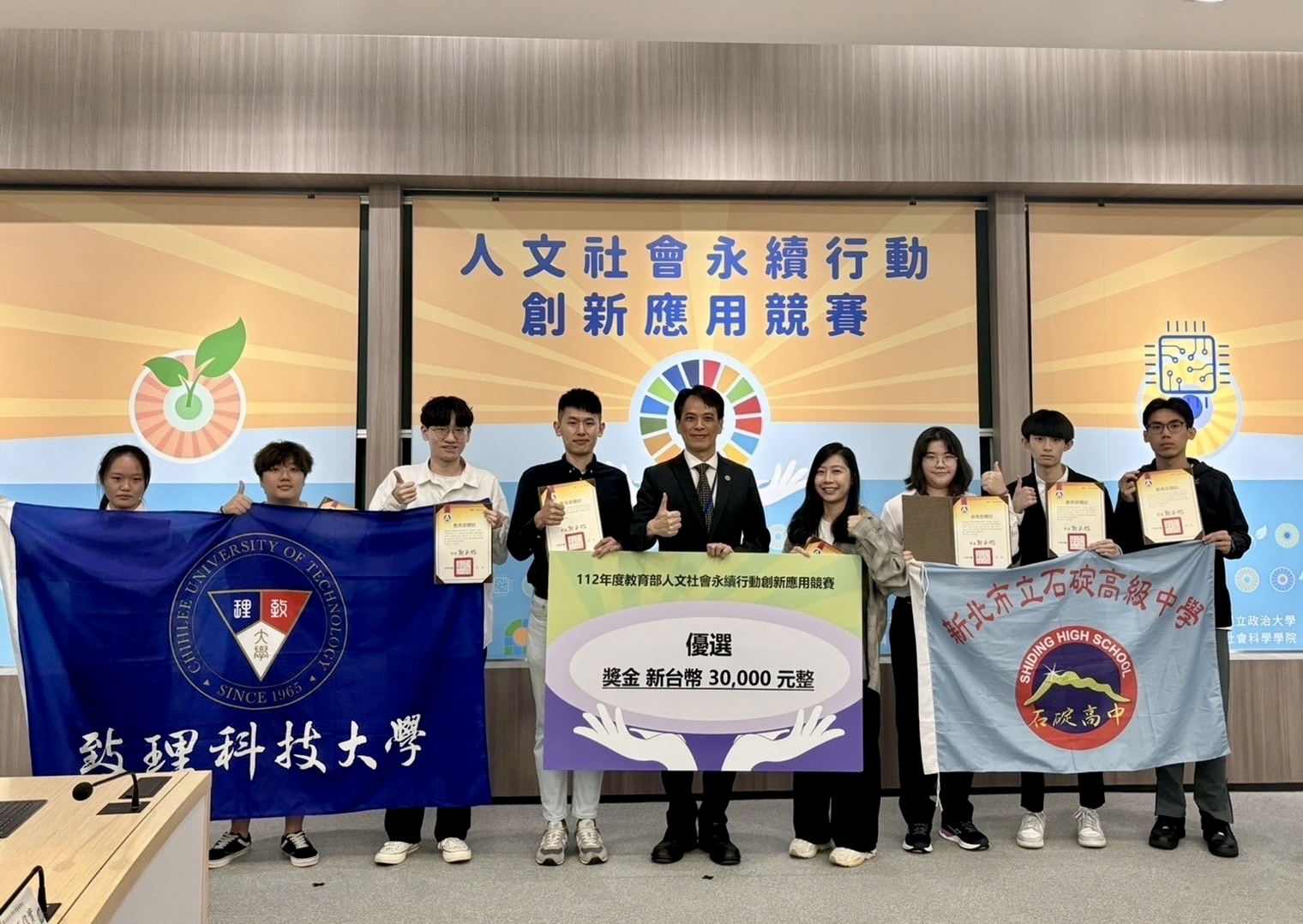
Competition Overview
The Ministry of Education’s Humanities and Social Sustainability Action Innovation Application Competition encourages students to address issues related to people, communities, and society by developing practical sustainability solutions through interdisciplinary collaboration and digital technology. The competition progresses from issue exploration and proposal development to capacity-building workshops and the final presentation, with an emphasis not only on the project itself, but also on the team’s understanding of the issue, interdisciplinary integration, practical action, and outcomes.
We chose tea farms in Shiding District, New Taipei City, as our implementation site. By combining drones, image analysis, artificial intelligence, and a mobile application, we aimed to help tea farmers monitor environmental conditions and plant growth across large tea-growing areas while also addressing everyday management needs such as tea leaf disease detection and access to pesticide information.
Among 108 participating teams, we ultimately received the General Category Excellence Award (1st Place), and our project was also covered by multiple news media outlets.
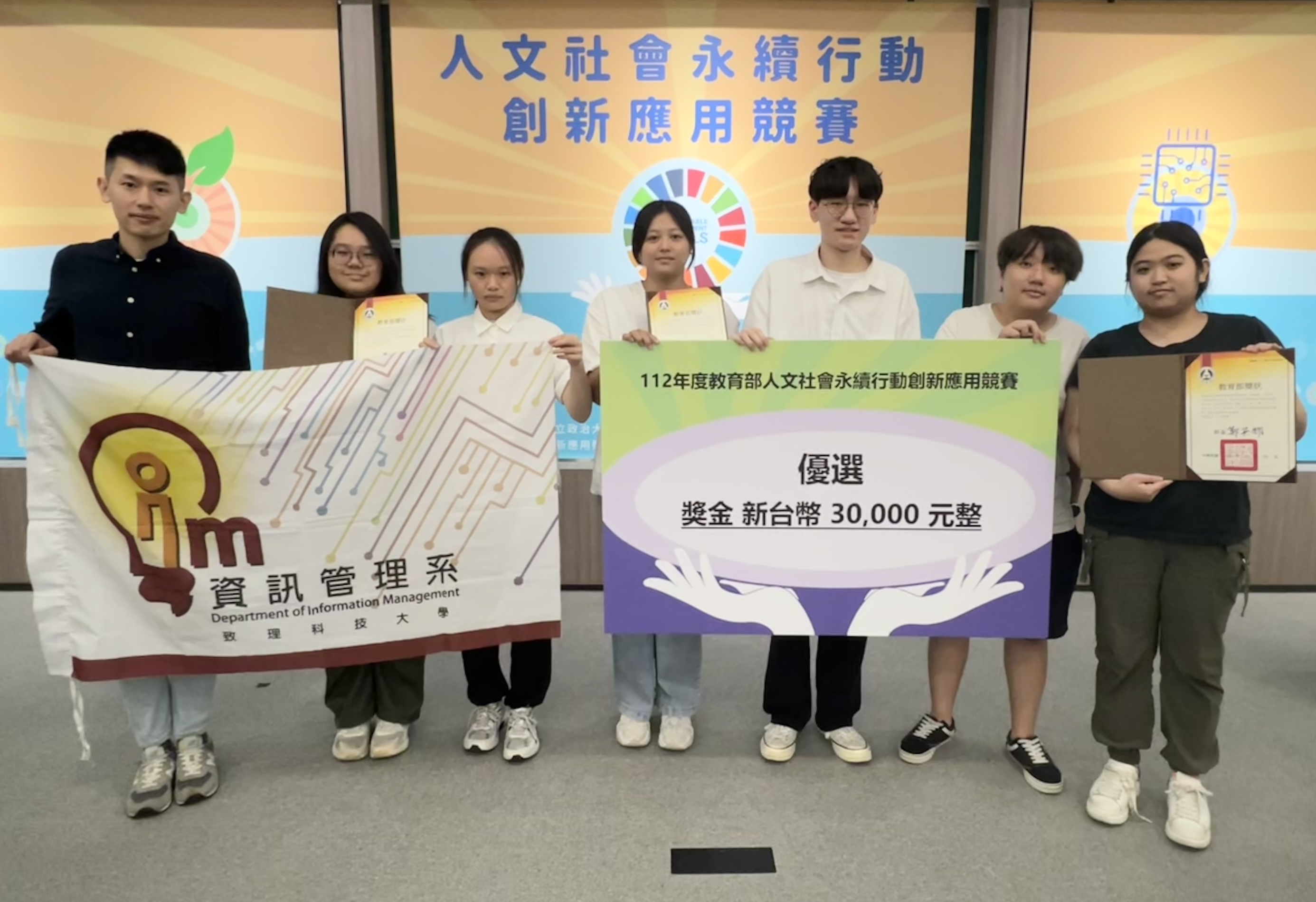
Media Coverage
Our competition entry and project outcomes were covered by multiple media outlets, highlighting topics ranging from the real-world needs of Shiding tea farms and the use of drones and artificial intelligence to cross-school collaboration and sustainability issues.
- Shiding High School and Chihlee University of Technology Students Use Drones and AI to Help Tea Farmers, Winning the Ministry of Education’s Inaugural Sustainability Action Innovation Award
- Humanities and Social Sustainability Action Innovation Application Competition Highlights Interdisciplinary Social Engagement
Finding Problems in the Tea Farms
This proposal began with the actual conditions of local tea farms. We visited Shiding multiple times to conduct field research, speak with local tea farmers, and observe the farms firsthand in order to understand which problems technology could genuinely help solve.
Through interviews and field observations, we found that it is difficult to continuously monitor the growth conditions of every area across a large tea farm through human labor alone. When tea plants are growing poorly, entering a renewal period, or facing typhoons and heavy rainfall, hillside areas are more vulnerable to soil erosion and soil and water conservation issues. Shiding is also located near the Feitsui Reservoir water source area, meaning that tea farm management is closely connected not only to agricultural production, but also to water resources and the surrounding environment.
Tea farmers also have to deal with everyday challenges such as identifying pests and diseases and obtaining information about pesticide use. Quickly assessing the condition of tea leaves, determining appropriate treatment methods, and keeping track of changing pesticide regulations can all require considerable time.
These real-world needs gradually shaped the direction of our proposal: to make technology a practical management tool that tea farmers could use directly, helping them monitor farm conditions and access relevant information more efficiently.
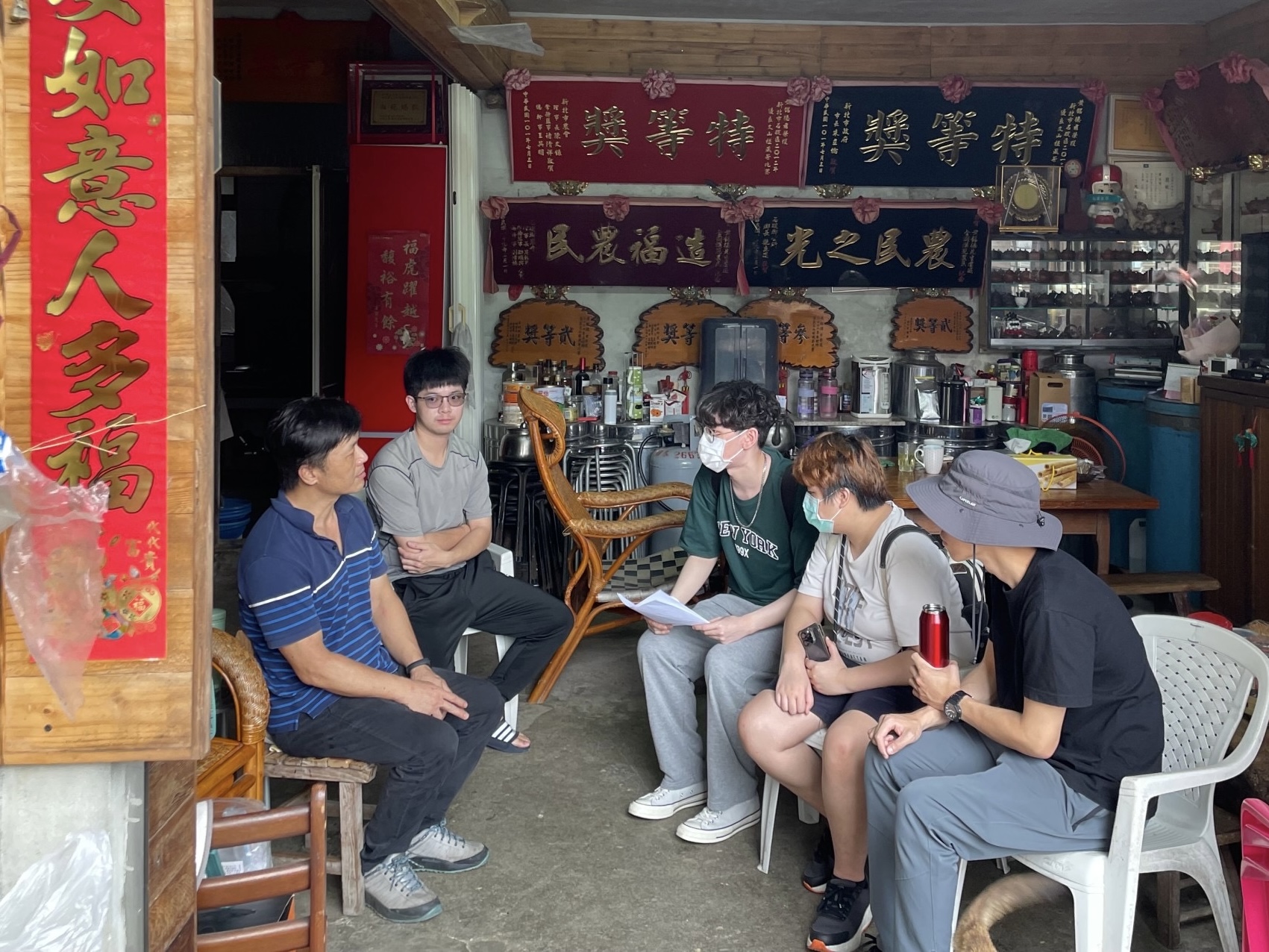
Image unavailable
Interdisciplinary Collaboration and Implementation
Our team was jointly formed by Chihlee University of Technology and Shiding High School, with members from high school information technology programs, business administration, and information management. Team members from different backgrounds contributed to the proposal through areas including drone operation, information systems, image analysis, sustainability, and outreach.
During implementation, we regularly used drones to capture images of tea farms in Shiding, building a collection of tea farm imagery that was then analyzed using image processing and artificial intelligence to identify farm conditions. The analysis results were subsequently integrated into the Tea Farm Monitoring App.
This process also gave me long-term experience working on a project that required us to consider users, the environment, technology, and social issues at the same time. Beyond engineering feasibility, we continuously evaluated whether the features we developed truly addressed the needs we observed in the field.
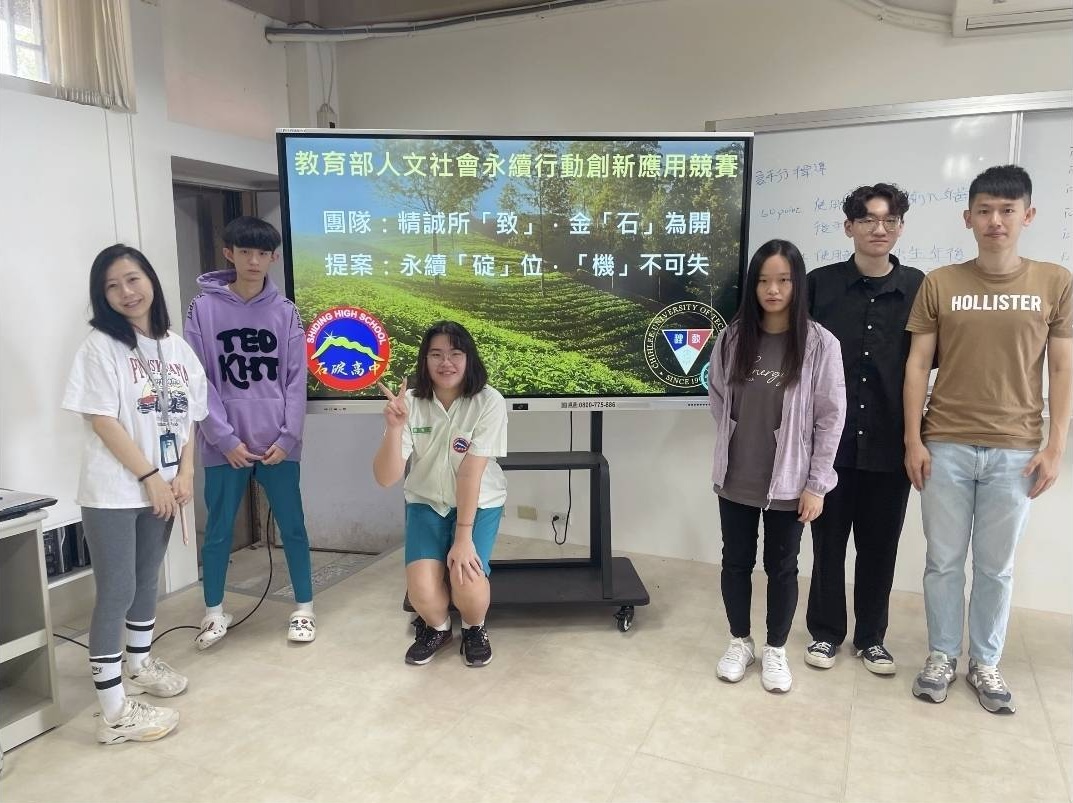
My Role and Competition Presentation
In this project, I was primarily responsible for the Tea Farm Monitoring App’s interface and application development, backend APIs, database, and part of the artificial intelligence-related work. During the competition stage, I also organized the proposal content, created the presentation slides, filmed and edited the proposal video, and represented the team in the formal presentation.
The competition required me to reorganize engineering content I was already familiar with into material that judges from different backgrounds could quickly understand. Within a limited amount of time, I had to clearly explain what problems we had identified, why they were worth solving, how technology could be applied, and what value our solution could ultimately provide to tea farmers and the environment.
From the written proposal and video to the formal presentation, each format required a different way of communicating. This experience gave me practical experience presenting projects in formal settings and answering questions from judges. It also helped me become more skilled at identifying the most important points from a large amount of project information and adapting how I communicate them based on the audience.
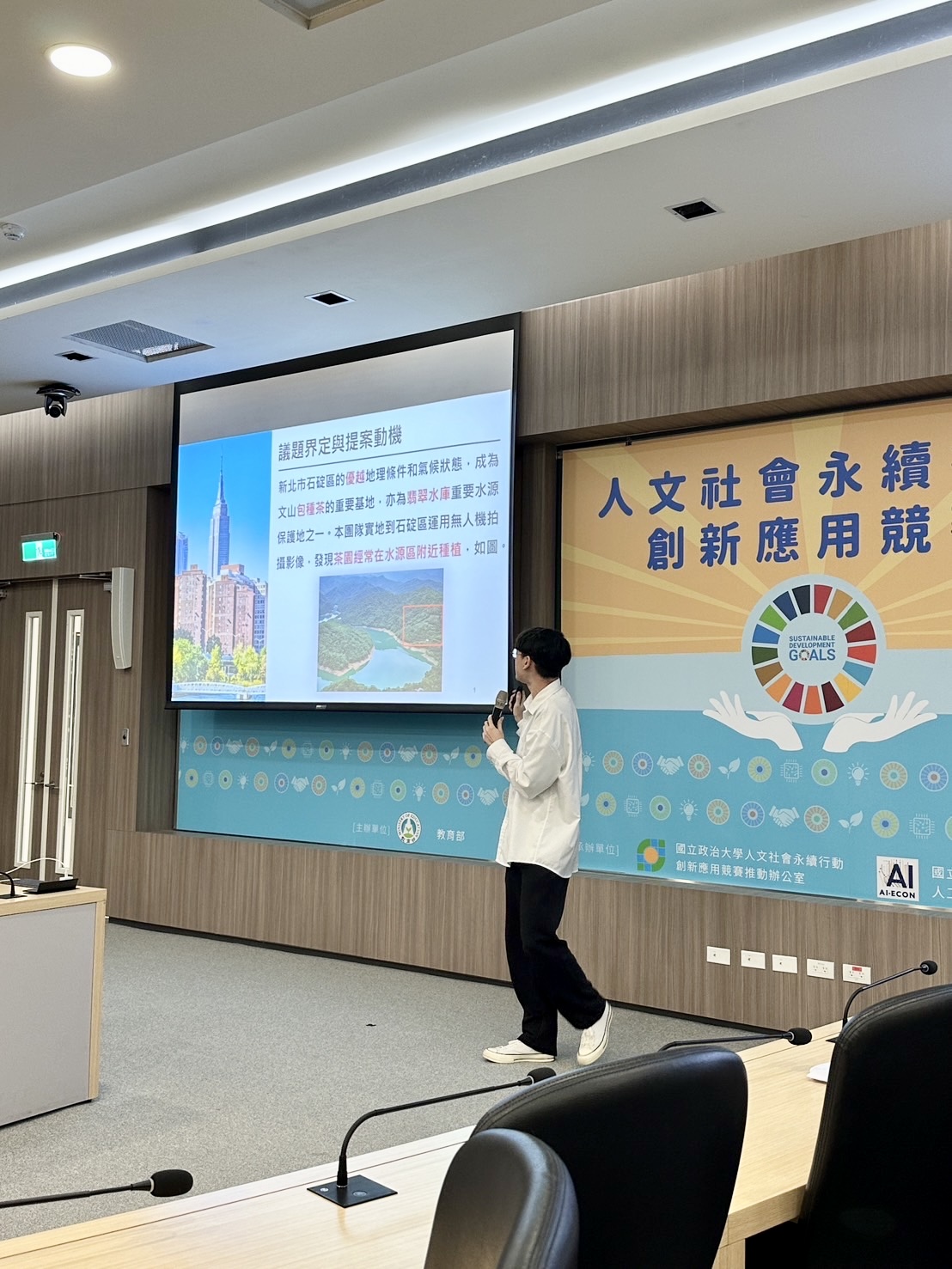
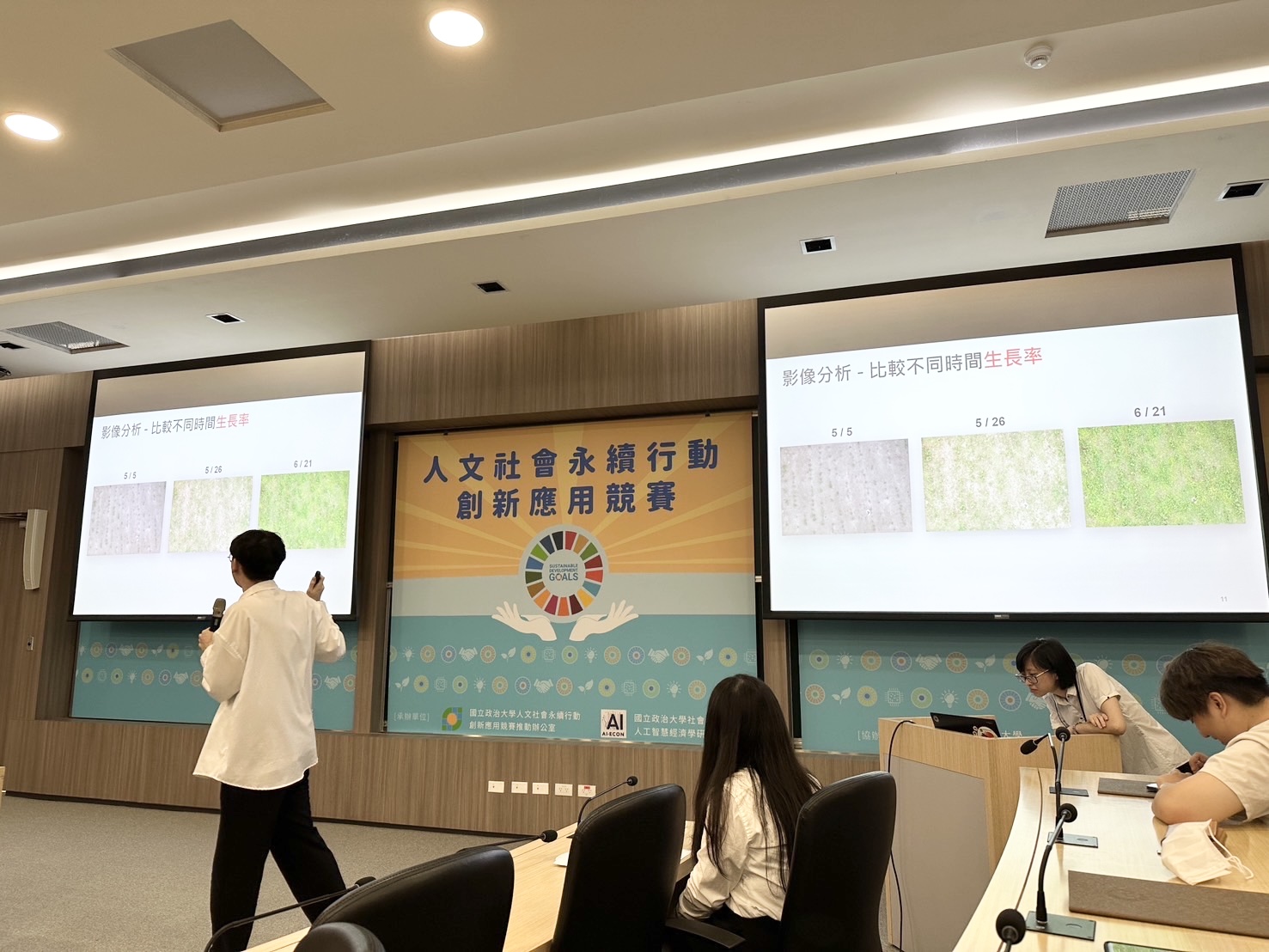
Competition Results
The 112 Academic Year competition received entries from 108 teams. After the preliminary round, capacity-building workshops, expert consultations, and the final round, our project, “Sustainable Shiding: Seizing Opportunities with Drones,” ultimately received the General Category Excellence Award (1st Place).
This competition gave me the opportunity to experience the entire process, from identifying a real-world problem and working directly in the field to developing a solution, organizing the proposal, producing competition materials, and presenting the project publicly. In addition to product development, I also gained hands-on experience turning an interdisciplinary project into a clear story and explaining to judges the problem we addressed, how we carried out the project, and the results we achieved.